Home / Guides / Is Divine Rivals Spicy?

Is Divine Rivals Spicy?

Divine Rivals is low spice and much more focused on emotional intimacy, longing, magical letters, and romantic connection than explicit physical content.

Romance is central to the story, but readers should not expect the high heat associated with adult romantasy series such as Fourth Wing or later ACOTAR books.

Editorial spice ratings are comparative reader assessments, not official publisher classifications. Readers may define spicy, clean, and closed-door differently.

Quick Answer

  • Overall spice level: Low
  • Romance importance: Very strong
  • Explicit content: Limited
  • Emotional intimacy: Very high
  • Age category: Young Adult
  • Best fit: Readers who want yearning and tenderness without high heat

Featured Book

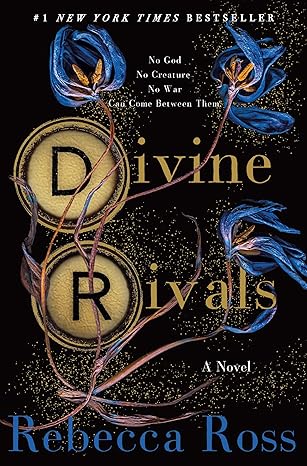
Divine Rivals by Rebecca Ross book cover

Quick reference

Divine Rivals

Rebecca Ross · Letters of Enchantment

Divine Rivals Spice Level at a Glance

CategoryEditorial assessment
Overall spice levelLow
Romance importanceVery strong
Explicit contentLimited
Emotional intimacyVery high
Fantasy focusModerate to strong
Romance styleRivals to lovers through magical letters
Age categoryYoung Adult
Best forReaders who want yearning, tenderness, and romance without high heat

Is Divine Rivals Actually Spicy?

For most readers, no - not in the way the word spicy is commonly used in adult romantasy.

The book contains romance, attraction, and intimacy, but its main appeal comes from emotional connection, private letters, hidden identity, professional rivalry, longing, trust, separation, vulnerability, and wartime danger.

That distinction matters because a book can be romance-heavy without being spice-heavy. Divine Rivals is a clear example.

Romance-Heavy vs Spice-Heavy

Romance-heavy means the relationship is central to the story, the emotions matter, and the connection drives the plot.

Spice-heavy means the story spends more time on explicit physical content and adult-level heat.

Divine Rivals is strongly romance-heavy, but it is not spice-heavy. Readers who want fantasy romance without much explicit content usually find that balance appealing.

How Divine Rivals Balances Romance and Mature Content

The romantic material and the broader story content are worth separating.

Romantic content includes attraction, kissing, emotional intimacy, longing, and relationship development.

General mature content includes war, grief, family instability, disappearance, danger, violence, and emotional distress.

Key Takeaways

  • - Romantic content is restrained rather than explicit.
  • - The story is still serious and emotionally heavy in places.
  • - Low spice does not mean low stakes.

Official YA Classification

Macmillan categorizes Divine Rivals as Young Adult and lists an age range of 13-18.

This is a publishing and readership classification, not a substitute for evaluating the book's individual content.

Although the romantic explicitness is limited, the story also explores war, grief, family addiction, professional pressure, and emotional vulnerability.

Is Divine Rivals More Romantic Than Spicy?

Yes. The emotional pull comes from Iris and Roman, their professional rivalry, and the connection that develops through magical correspondence.

Their relationship grows through letters, shared fears, honesty that is difficult face to face, emotional support, separation, and wartime uncertainty.

That makes the book much more romantic than spicy.

Is Divine Rivals Closed Door?

Divine Rivals is much more restrained than high-spice adult romantasy, but closed door is not a label every reader defines the same way.

The more reliable expectation is low sexual explicitness, with far greater emphasis on emotional intimacy, attraction, and the developing relationship between Iris and Roman.

If you need to avoid all on-page sexual content, do not rely on the low-spice classification alone as an absolute content guarantee.

Is Divine Rivals Clean?

Divine Rivals is relatively restrained in sexual explicitness, but clean can be misleading when used as an overall content rating.

Alongside its romantic storyline, the novel explores war, death, grief, family addiction, danger, and emotional distress. A low spice rating describes the level of sexual content, not the intensity of every other theme.

Is Ruthless Vows Spicier?

BookReader expectation
Divine RivalsLow spice, high longing, emotional buildup
Ruthless VowsLow spice, more established relationship, emotional consequences

Ruthless Vows continues Iris and Roman's relationship and concludes the Letters of Enchantment duology. Their shared history gives the sequel a different emotional weight, but that does not automatically mean a major increase in explicit content.

Both books remain low-spice fantasy romance overall. The main progression is in the characters' relationship and the emotional consequences of the story, rather than a dramatic shift toward high-heat adult romantasy.

Why Readers Expect More Spice

Key Takeaways

  • - It is often recommended alongside Fourth Wing, ACOTAR, One Dark Window, Once Upon a Broken Heart, and Powerless.
  • - Its popularity comes from magical letters, emotional longing, rivals-to-lovers chemistry, wartime atmosphere, and a lyrical tone.
  • - Popularity in romantasy spaces does not mean adult-level explicit content.

Rivals to Lovers, Not Enemies to Lovers

Iris and Roman are professional rivals, so the dynamic is driven by competition, distance, and emotional tension rather than deep hostility or villain-level hatred.

That makes the story softer than a true enemies-to-lovers romance, which usually has more active opposition and sharper moral distrust.

Fantasy vs Romance Balance

The romance is central, but the fantasy and war plot matter too.

Magical correspondence, gods at war, wartime journalism, and dangerous front lines all shape the relationship.

A balanced description is emotionally romance-forward YA fantasy with a substantial external plot.

Divine Rivals vs Fourth Wing

Choose Divine Rivals when you want low spice, magical letters, emotional longing, YA fantasy romance, and a complete two-book commitment.

Choose Fourth Wing when you want adult fantasy romance, dragons, military academy danger, faster physical chemistry, and substantially more explicit content.

Divine Rivals vs ACOTAR

Choose Divine Rivals when you want lower spice, a YA classification, magical correspondence, and a shorter complete duology.

Choose ACOTAR when you want fae courts, adult fantasy romance, stronger spice progression, and a larger ongoing universe.

Divine Rivals vs Once Upon a Broken Heart

Choose Divine Rivals when you want wartime fantasy, journalists, magical letters, and a grounded emotional tone.

Choose Once Upon a Broken Heart when you want fairytale atmosphere, curses, magical bargains, and whimsical fantasy with restrained physical content.

Divine Rivals vs One Dark Window

Choose Divine Rivals when you want softer emotional romance, magical correspondence, and rivals-to-lovers tension.

Choose One Dark Window when you want a darker gothic mood, curses, haunted magic, and a heavier fantasy atmosphere.

Who Should Read Divine Rivals?

Key Takeaways

  • - Readers who want low-spice fantasy romance.
  • - Readers who like emotional intimacy and yearning.
  • - Readers who enjoy magical letters and rivals-to-lovers tension.
  • - Readers who want a complete duology instead of an ongoing series.
  • - Readers who prefer tenderness over high heat.

Who Might Not Enjoy It?

Key Takeaways

  • - Readers who want high spice or adult open-door romance.
  • - Readers who want a very dark enemies-to-lovers dynamic.
  • - Readers who want dragons or a military academy setting.
  • - Readers who want a fantasy story dominated by action.
  • - Readers who do not want grief, war, or family addiction themes.

What About Wild Reverence?

Wild Reverence is not a required third book for Iris and Roman. It belongs to the wider world of the gods first introduced in Divine Rivals, but it is not the conclusion to Letters of Enchantment.

If your goal is to finish the central duology, Ruthless Vows is the direct and required sequel.

Final Verdict

Divine Rivals is a low-spice YA romantasy with magical letters, rivals-to-lovers tension, wartime danger, and a deeply emotional central romance. Choose it when you want longing, tenderness, and restraint rather than high-heat explicit romance.

Frequently Asked Questions

Is Divine Rivals spicy?

No, not by mainstream adult-romantasy standards. It is generally considered low spice and focuses more on longing, tenderness, and emotional intimacy.

Is Divine Rivals clean?

It is relatively restrained in romantic explicitness, but it still contains war, death, grief, family addiction and other serious themes.

Is Divine Rivals closed door?

It is much more restrained than open-door adult romantasy, although readers define closed door differently. The safest description is low-explicitness fantasy romance.

Is Divine Rivals YA or adult?

Macmillan categorizes Divine Rivals as Young Adult and lists an age range of 13-18.

Is Ruthless Vows spicier than Divine Rivals?

Both books remain low spice overall. Ruthless Vows develops the established relationship and its emotional stakes, but this does not necessarily mean a substantial increase in explicit content.

Is Divine Rivals enemies to lovers?

It is more accurately rivals to lovers. Iris and Roman compete as journalists but are not true mortal enemies.

Is Divine Rivals more fantasy or romance?

It is a romance-forward YA fantasy with a substantial external plot involving magical letters, wartime journalism and gods at war.

Is Divine Rivals good for readers who do not want spice?

Yes. It is a strong choice for readers who want a central fantasy romance without high levels of explicit content.

Is Wild Reverence required after Ruthless Vows?

No. Ruthless Vows is the direct sequel and conclusion to the central Letters of Enchantment duology. Wild Reverence belongs to the wider world, but it is not required to finish Iris and Roman’s story.

Related Reading